The Pink Postcard That Doesn't Mean What Most Ventura Sellers Think
September 10, 2026
September 10, 2026
Some homeowners in Downtown, Midtown, and Westside Ventura got a certified letter over the past year that made them nervous before they'd finished reading it. The notice carried required legal language explaining that "only people who complain have standing in court," boilerplate meant for a different kind of hearing entirely, but landing in mailboxes next to news that a resident's own house had turned up in a draft historic survey. A lot of owners assumed the worst: their home was about to be locked into a preservation cage, their remodel plans dead on arrival, their resale value quietly dinged.
None of that is what the city's new Citywide Historic Context Statement and Survey actually does. On July 14, 2026, after roughly two hours and twenty minutes of public comment and council deliberation, Ventura's City Council adopted the survey, excluding three private properties from the final version and listing the school district's holdings under a separate category rather than folding them in outright. If you own or are buying a pre-1980 home in one of Ventura's older neighborhoods, that adoption changed something real about your next transaction. It just isn't the thing most people fear.
The survey covers the entire city and catalogs resources built roughly between 1782 and 1980. That range exists because Ventura set its inclusion threshold at 40 years old rather than the more common national standard of 50, a deliberate choice to make sure buildings approaching historic age don't slip through before the next update. The fieldwork and evaluations were done by Historic Resources Group under contract to the city, working from the public right of way. Surveyors did not need to access private property or contact owners directly to compile the list, which is part of why so many people learned their address was included only after a postcard arrived.
Being named in the survey is not the same as being designated a landmark. The city's own materials are explicit on this point: no actual designation results from the survey itself, and nomination to a local, state, or national register is a separate process that requires the owner's consent, a dedicated application, and its own public hearing. The survey is closer to a filing cabinet than a ruling. It tells the city and the owner what a property might be eligible for, not what it has already become.
Here's the part that matters at the moment you list or buy. Before this survey existed, a permit application for almost any Ventura building older than 40 or 50 years triggered a case by case review, and that review often meant paying out of pocket for a custom historic assessment report from a qualified consultant. Those reports frequently concluded the property wasn't historically significant after all, which meant owners had spent real money and lost real time proving a negative every time they wanted to pull a permit.
The survey replaces that guesswork with an answer that already exists. If your property is listed, small like for like work such as a reroof or a straight window swap is generally exempt from added review or handled over the counter. What changes the calculus is a demolition application or an alteration that affects a large share of the exterior, changing wall material from wood siding to stucco is the city's own example, since that now routes through a Historic Preservation Committee hearing before a permit is issued. For most sellers doing ordinary maintenance, the practical effect is smaller than the postcard implied. For a buyer planning a teardown or a major facade change on an older Westside or Downtown property, it's a step that needs to be priced into the timeline from the start.
Adjacent development can also be asked to fit the character of a listed property or its surrounding block more closely than it would otherwise. That cuts both ways for a buyer weighing a fixer-upper next to a listed home: it can protect the streetscape you're paying a premium for, and it can also limit what a future owner next door is allowed to build.
There is no indication that property values go down based on inclusion in a historic survey. Homes in historic districts tend to appreciate at a slightly higher rate than similar building stock outside a district.
That's the city's own answer to the question every worried homeowner asks first, and it runs against the instinct that drove so many of those objection letters. One owner on Carol Drive wrote in formally during the comment period, asking that his property be excluded from any current or future historic designation. The Ventura Port District went further, requesting that all of its properties be dropped from the survey entirely, citing concerns that a working harbor shouldn't have to answer to a second layer of review on top of its own legislated authority over the port. Both objections were about future designation, not about the survey listing itself, which is a distinction worth sitting with if you're deciding how much weight to give a similar letter about your own address.
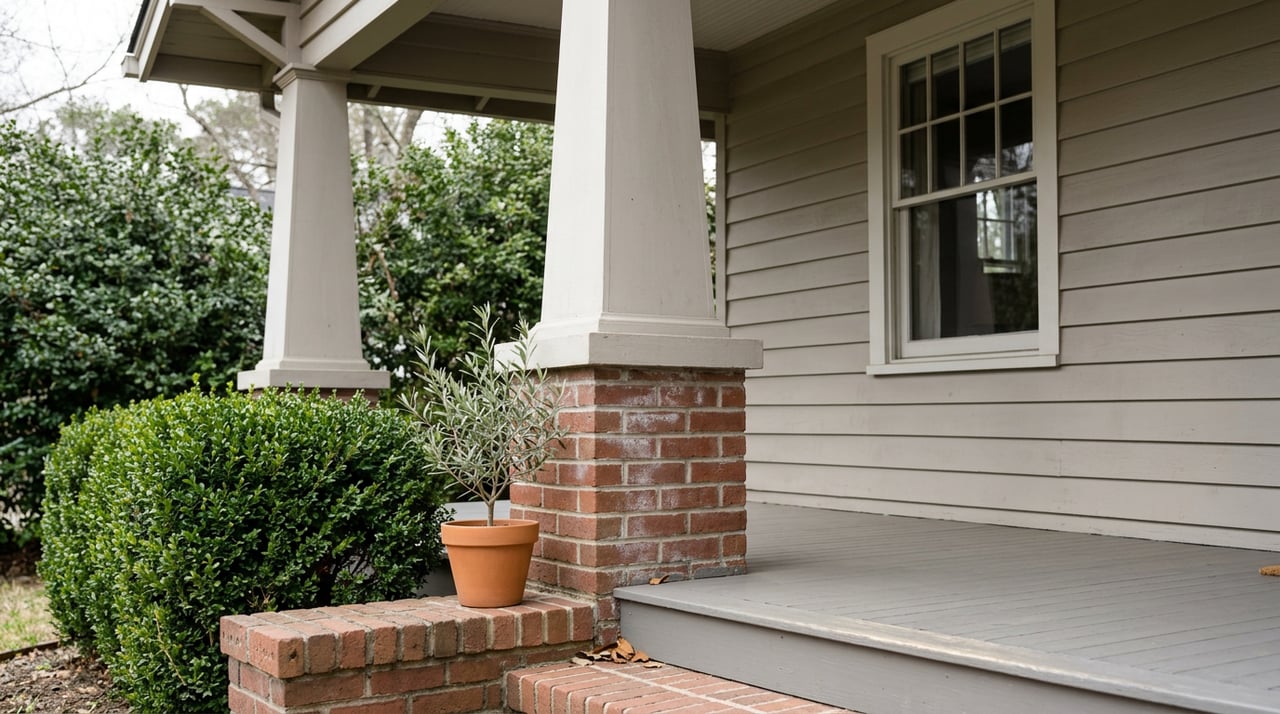
The clearest way to see how this plays out is to look at an actual case moving through the system. A 1910s Craftsman in Downtown Ventura known as the Minnie P. Gales Residence was found individually eligible for local designation in the 2025 survey, described in the city's staff report as a rare intact example of early residential development in the downtown area. The Building and Safety Division's own permit records show no major exterior alterations on file for the property. That's a useful data point for anyone picturing worst case outcomes: a century old home with a clean permit history can carry survey eligibility for years without it ever becoming a barrier to a routine sale.
Here's the piece that gets buried under all the anxiety about restrictions. Being listed on the survey is explicitly described by preservation staff as one step closer to qualifying for tax incentives like the Mills Act, though the most valuable version of that incentive still requires full designation as a Landmark or a District Contributor, not just a survey listing. Ventura's own program materials note that Mills Act participants can see a property tax reduction of roughly 50 percent each year on a newly improved or newly purchased older property. The contract runs a minimum ten year term, renews automatically, and transfers to the next owner when the home is sold, meaning both the tax benefit and the preservation obligations that come with it pass along with the deed rather than resetting at closing.
For a seller of a qualifying older home, that's a marketing detail worth having ready before a buyer asks about it. For a buyer, ask your agent to check whether a property already carries a Mills Act contract, since you'd be stepping into both the savings and the maintenance commitments that go with it.
A few things worth doing before you sign anything:
Does my house have to be 50 years old to show up in Ventura's survey? No. Ventura set its threshold at 40 years specifically so buildings approaching historic age wouldn't be missed before the next update.
Am I required to disclose that my home is listed on the survey when I sell? The survey itself is a public planning record maintained by the city, not a private finding. Buyers and their agents can check a property's status directly with Community Development, and sellers should be prepared for that question to come up during due diligence.
Can I still remodel or add on to a listed home? In most cases, yes. Routine like for like work is generally exempt or handled over the counter. It's larger exterior changes and demolition applications that trigger a Historic Preservation Committee hearing.
Ventura's older neighborhoods carry more paperwork history than most buyers expect, and that history now has an actual index instead of a guessing game. If you're weighing what a listing in the new survey means for a specific address in Downtown, Midtown, or Westside, or you want to know whether a home you're considering already carries a Mills Act contract, Jodi Sells the Coast can help you read the file before you write the offer. Let's Connect.
Stay up to date on the latest real estate trends.

Experience a real estate partnership built on trust, expertise, and genuine care. Jodi brings a lifelong understanding of what “home” truly means to every client and every decision.